Crain Automotive Team Collision

Blog / Collision Center

10 Defensive Driving Tips That Could Help You Avoid an Accident

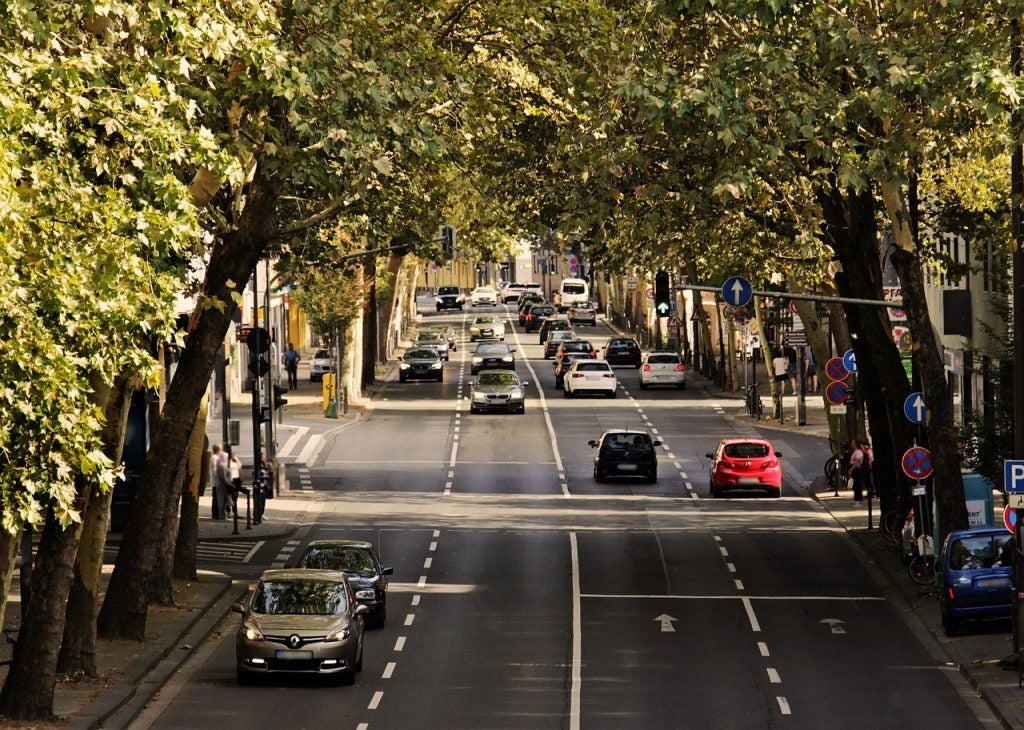
Street view with several cars driving in both directions. | Driving Tips | Crain Automotive Team Collision

Defensive driving can save drivers a good deal on the costs of medical bills and collision repair. While on the road, instead of focusing only on getting from A to B, focusing on reducing collision threats will make you a happier, healthier, wealthier driver. The following 10 safe driving tips can go a long way to ensure you make it to your destination in one piece. 

Take Your Time

Speeding plays a role in 29% of all road accidents. No matter how urgent your journey may seem, slow down and drive safely. You can mitigate the temptation to drive too fast by setting off earlier on most of your trips.

Stay Focused

Distracted driving is also a significant hazard, causing 16% of all road accidents. Always avoid turning your attention to smartphones, food, drink, navigation systems, or passengers while driving, any of which can be a dangerous distraction.  

Look Far Ahead

The earlier you see upcoming intersections, traffic jams, road debris, or dangerous drivers, the sooner and surer you can react. Always look far ahead to anticipate obstacles and hazards in advance. 

Only Drive When Well-Rested

Lack of sleep dramatically increases any driver's chances of having an accident. When you feel sleepy, it's often best to put off your drive until after you've had a nap or a coffee. 

Keep Your Distance

Follow the three-second rule and always avoid tailgating. You never know when the other driver might suddenly stop.

Anticipate Bad Drivers

Don't expect other drivers to be safe and rational. If you anticipate the occasional mistakes of others, you're more likely to respond to threats safely. 

Beware of Wet Roads

Always adjust your driving to the weather conditions. Wet or icy roads dramatically alter driving conditions. When it rains or snows, slow down, extend distances between other cars, avoid hard braking, and handle turns with caution. 

Be Aware of Blind Spots

Always be aware of your own blind spots and the blind spots of other drivers. It's best to assume that a vehicle is in your blind spot before changing lanes; also assume that other drivers can't see you when you approach from the rear on either side. 

Maintain Your Car

Poorly maintained brakes, tires, transmissions, and other car parts cause a great many accidents each year. You can stay a lot safer on the road by keeping your car properly maintained and attending all scheduled servicing visits. 

Get Collision Repair Promptly

If you ever have a collision, always have your car promptly examined and repaired. Even after a mild scrape or bump, you never know what internal damage might have been dealt that's making your vehicle less safe to drive.

If your car is in any way damaged by a collision, visit Crain Collision to have experienced technicians repair it today. We're dedicated to delivering personalized service and excellent customer satisfaction.

Image via Pixabay.
Posted in:

Related Posts

Rear view of a navy blue 2023 Chevrolet Equinox. | Collision center in Central Arkansas | Crain Automotive Team Collision

Signs You Need a Brake Repair

Understanding your vehicle is important for safe driving, and the brake system is undeniably one of the most critical things to understand about your car. The ability to stop quickly and efficiently can often be the difference between a close call and a deadly accident. Do you need brake repair? Let's consider some of the signs that something might be wrong. Unwanted Vibration Have you ever felt a vibration or pulsing sensation through the brake pedal? If the answer is yes, your vehicle might be trying to tell you something. This sensation often suggests warped rotors, which are the metal discs that brake pads clamp down on to stop your vehicle. Warped rotors could be a result of extreme braking for extended periods, like when driving down a steep hill. If you notice this symptom, a brake inspection could be necessary. A Squeal That Steals Your Peace One common indicator that your vehicle's brakes might need attention is a high-pitched squealing sound when you apply the brakes. This noise is generated by a small metal shim known as an indicator. It's purposefully designed to make a noise when your brake pads have worn thin, alerting you that it might be time for a replacement. Don't ignore this call from your vehicle; it means nothing is critical yet, but it will be very soon. The Worrying Warning Light Modern vehicles come equipped with sophisticated systems that monitor your vehicle's health, including the braking system. If you see a brake warning light illuminated on your dashboard, it's a sign that something might not be right. While it could be as simple as the handbrake being left engaged, it could also indicate a serious problem such as low brake fluid, which warrants immediate attention. Dreadful Drag Does your vehicle seem to pull to one side when you apply the brakes? This symptom might be signaling uneven wear on your brake pads, a malfunctioning brake caliper, or low brake fluid in one part of the brake line. A thorough brake inspection will not only identify the root cause of the problem but also guide appropriate repairs. Lengthy Pedal Travel If your brake pedal goes down further than usual before your vehicle begins to slow down, it's a strong indication that you might have a brake system problem. A brake pedal that feels "soft" or "spongy" is typically a sign of air in the brake lines or problems with the master cylinder. At Crain Collision Center, we pride ourselves on delivering top-quality service, leveraging our expertise and experience to ensure your vehicle is at its best performance. We believe that regular brake inspections are vital to keeping you and your loved ones safe on the road. Bring your vehicle to Crain Collision Center if you notice any of these signs of brake trouble.

Profile view of a burgundy 2021 Chevrolet Traverse being driven on the road with mountains far off in the background. | Collision Center | Crain Automotive Team Collision

What Should You Do If Your Car Gets Dented?

Every driver knows that accidents can happen at any time, and sometimes that results in car dents. Damaging your car can be frustrating and stressful, but don't worry! Reputable collision repair can help you get your car back in shape and out on the road again in no time. Contact Your Insurance Company The first thing you should do when your car gets damaged is contact your insurance company. They can guide you through the process of filing an insurance claim and let you know what you need to do next. It's important to act quickly following an accident, as delaying repairs can sometimes result in more damage to your vehicle. Choose a Reputable Collision Repair Center When choosing a collision center, it's important to choose one that has a good track record. A collision center with a good reputation will have experienced technicians, the right tools and equipment to fix your car, and a history of customer satisfaction, meaning you can be confident that they will do a good job with your repair, too. Schedule an Inspection of Your Car Dents Once you've chosen a collision center, schedule an inspection of your car. A technician will assess the damage and provide you with an estimate of the repairs your car requires. They will also let you know how long it will take to repair your car and whether you will need a rental car in the meantime. Have Your Car Repaired A thorough repair process typically involves disassembling the car to view the full extent of the damage. Once it has been assessed, the technician will create a "blueprint" of the repairs needed, order any necessary parts, and begin the repairs. Depending on the extent of the damage, this may mean replacing parts, repainting the car, and testing that everything is working properly. The collision center should keep you updated on the progress of the repairs and let you know if there are any delays or unexpected issues. Prevent Future Dents While accidents are a part of life, there are a few things you can do to avoid getting dents in your car in the future. Try to park in safe, well-lit areas, and avoid parking too close to other cars. Make sure you leave enough room for cars around you to open their doors, and always open your car door slowly. Most importantly, drive safely and obey traffic laws to reduce your risk of accidents. Denting your car can be frustrating, but an experienced collision center can help you get your car back in shape. With a little care and attention, your vehicle can look as good as new again! Have a dent in your car? Call Crain Automotive Team Collision and get a free estimate of the repairs you need to get back on the road.

An orange 2022 Dodge Challenger being driven on the highway. | Paint Repair in Central Arkansas | Crain Automotive Team Collision

3 Reasons Not to Ignore Damaged Car Paint

AA A collision repair involves returning your car to the state it was in before an accident. There are many different types of accidents and many levels of damage. Some drivers choose not to have a repair if the only damage is to their car paint. We'd like to give you some advice on some of the reasons you shouldn't ignore damaged paint. Delamination Delamination, otherwise known as paint peeling, can happen with auto paint. When a car is painted, the paint is applied in layers to achieve the correct level of color and protection. Your car's paint is usually protected from serious abrasion as the entire body is covered to the same level. If your car's paint is damaged, the missing paint sections provide gaps in this protection, and abrasion becomes very likely. Sunlight, rain, wind, and even dirt in the air can slowly chip away at the paint. These elements raise the paint level just enough for air movement to get between the paint and the body and pry paint sections off. As more paint is lost, the damaged area becomes larger, and abrasion becomes faster. Repairing the paint prevents this from happening. Rust Rust is a deadly enemy of most metals, and your car's body is composed of metal. As we've seen, paint is applied in layers. The first coat is the base coat. This coat is designed to provide a good surface for the colored paint layers and to protect the metal underneath. The base coat is the final defensive line between the elements and the metal car body. The final paint coat on your car is a clear coat. The clear coat seals the color and is completely waterproof. When your paint is damaged, most damage penetrates the base coat or even the metal beneath. Rain, snow, and other liquids will penetrate the metal, and it will start to rust. Rust can eat away at the metal beneath the paint and cause serious damage to your car. Rebuilding the paint layers will protect it. Aesthetics and Resale Aesthetically, it's not pleasing to see any damage to your car. Small paint chips might not seem serious, but they will gradually grow larger. Damaged paint also immediately draws the eye to the damaged section of your car. Damaged paint also affects the resale or trade-in value of your car. Many buyers will reject a car with damaged paint, as they imagine an otherwise healthy car has additional problems. An interested buyer will likely offer less than your car's Blue Book value, as they will need to repair the damaged paint. If you have damaged paint, call us at Crain Collison. We offer free, no-obligation estimates and can perfectly restore your paint and prevent further damage.